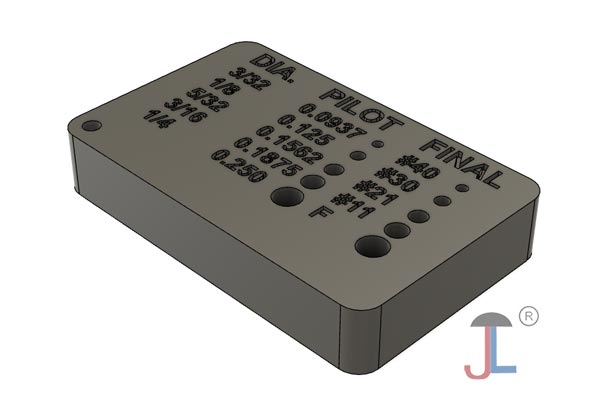
Find the correct drill size for 3/32 rivets—use a #40 bit for pop rivets or #41 for solid rivets to ensure a snug, secure fit and professional results.
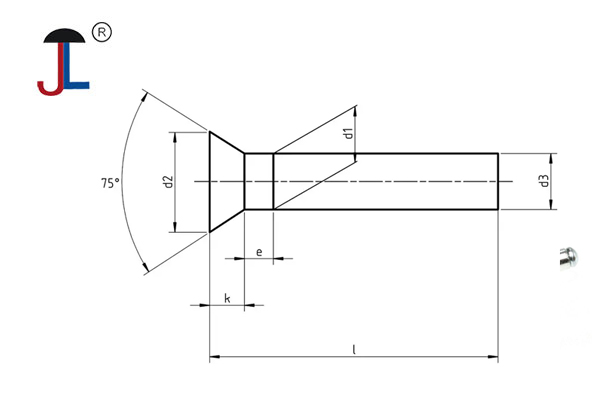
To measure a countersunk rivet, you need to determine its key dimensions: diameter, which is the thickness of the shank; length, measured from the bottom of the head to the tip of the shank; head diameter, the widest part of the countersunk head; and countersink angle, the angle of the head that allows it to sit flush in the material. Accurate measurement ensures proper fit and performance in your assembly.
The countersunk rivet angle refers to the included angle of the rivet’s head, which allows it to sit flush with the surface after installation. Common angles include 60°, 82°, 90°, 100°, 110°, and 120°, chosen based on material thickness, load requirements, and aesthetic needs. Correct angle selection ensures a smooth surface, proper load distribution, and strong fastening, especially in precision applications.
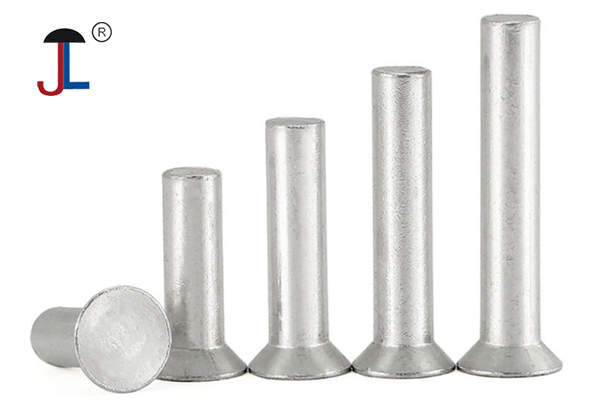
Countersunk head rivets are designed to create a flush, smooth surface after installation, making them ideal for applications where aesthetics and aerodynamics matter. They are commonly used in aviation, automotive, shipbuilding, and metal fabrication, as well as in furniture, electronics, and decorative projects. Their primary purpose is to secure two or more materials together while keeping the surface flat, preventing snagging or interference with moving parts.
Copper rivets are used for their strength, corrosion resistance, and decorative aesthetic in applications from clothing, leather goods, and footwear to electrical systems, outdoor construction, and orthotic devices.
No, you generally cannot reuse copper rivets. Rivets are permanent fasteners that are intentionally deformed during installation to create a tight, locked joint. The removal process damages the rivet, making it unsuitable for reuse.
Complete snap head rivet dimensions table: detailed sizes for diameters 2–20mm, head diameter, head height, rivet length, and hole clearance. Perfect reference for engineers, manufacturers, and metalworking professionals.
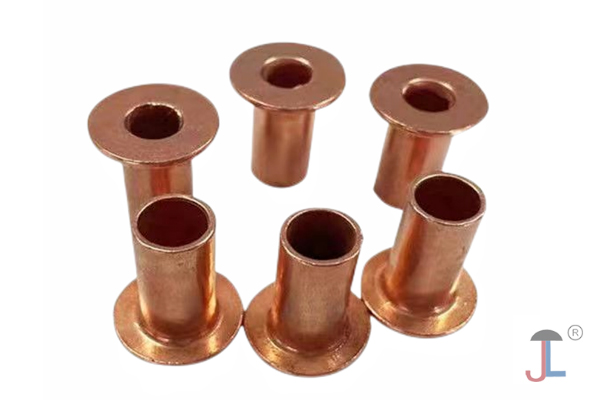
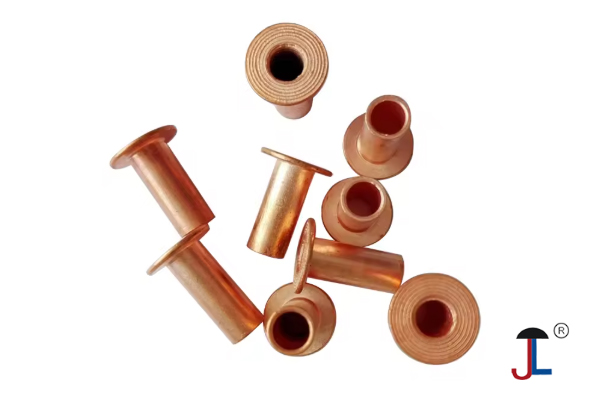
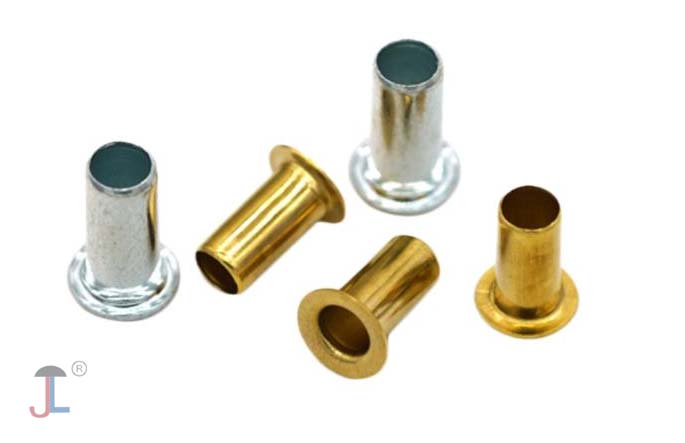
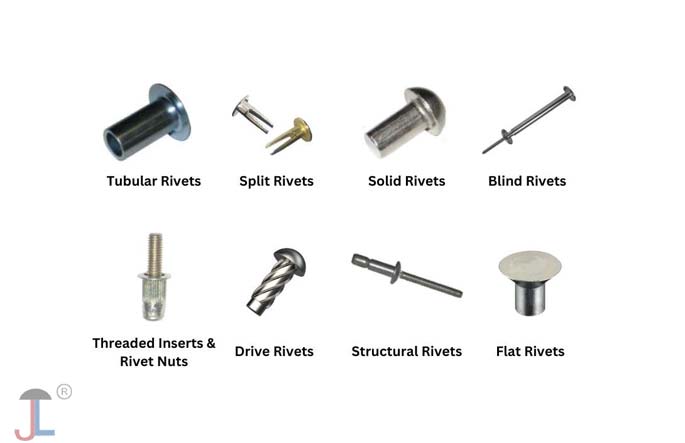
A hollow rivet, also known as a tubular rivet, is a mechanical fastener with a cylindrical shank that has a hollow interior, unlike a solid rivet. When installed, the hollow tail expands or flares to create a secure connection, and this feature reduces the installation force required compared to a solid rivet. They are commonly used to join materials like leather, fabric, and thin sheet metal, and applications requiring pivot points or lightweight connections.
Hollow rivets offer lightweight, cost-effective, and easy single-sided installation ideal for thin, soft, or delicate materials. Unlike solid rivets which require two-sided access and heavy tools, hollow rivets reduce material damage and are perfect for applications needing quick assembly and weight savings.
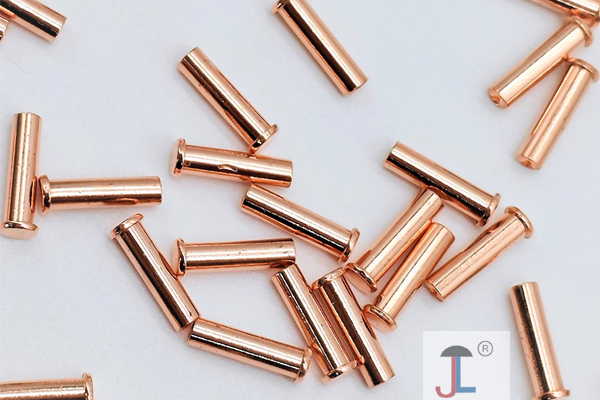
A hollow end rivet, also known as a tubular rivet or semi-tubular rivet, is a fastener with a hollow or partially hollow shank (body) designed to join materials together by flaring or expanding the open end during installation.
The 3 primary types of rivets are Solid Rivets, Blind Rivets, and Tubular Rivets, though other important types include Split Rivets and Self-Piercing Rivets.
The clinch allowance for semi-tubular rivets is the amount of rivet shank that extends beyond the material thickness and is needed to form the rivet's head, typically ranging from 50% to 70% of the rivet's shank diameter. This allowance is critical because too little results in a loose or incomplete clinch, while too much can prevent a tight clamping action. The specific clinch allowance is determined by the rivet's diameter and application, and it is added to the total material thickness to calculate the required rivet length.
For copper rivets in leather work, leave approximately 1/8 inch (around 3mm) of the rivet post sticking up after cutting with end nippers or side cutters. This remaining length is essential for peening the post over the burr to create a secure, rounded head. Trimming too close will make it difficult or impossible to dome the rivet properly, leading to a poorly set rivet.
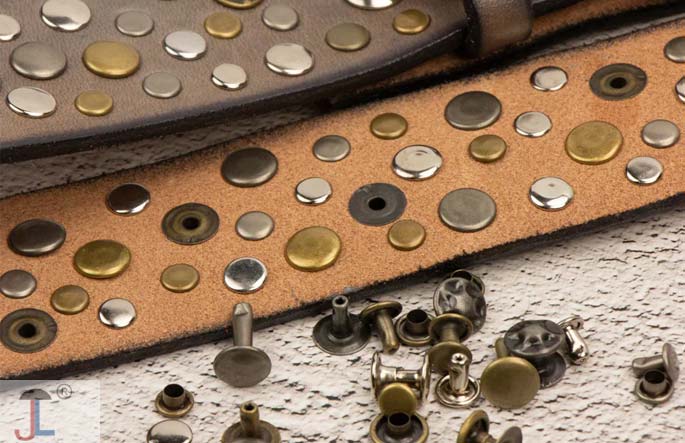
Leather rivets are small, two-part fasteners used to join pieces of leather together securely. They’re commonly used in leathercraft, fashion, and accessories like belts, bags, wallets, straps, shoes, and saddles. Rivets work by clamping two or more layers of leather between a cap and a post, then deforming the post so the pieces are tightly locked in place.
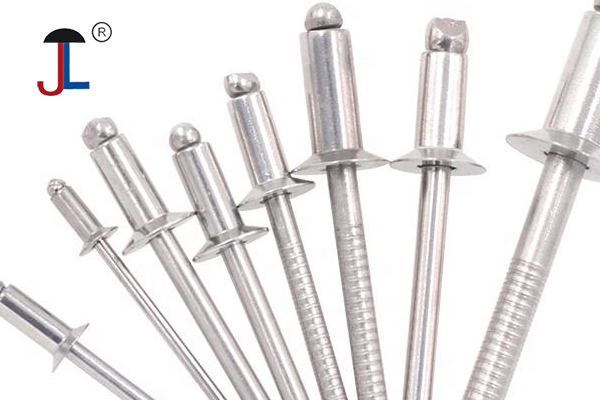
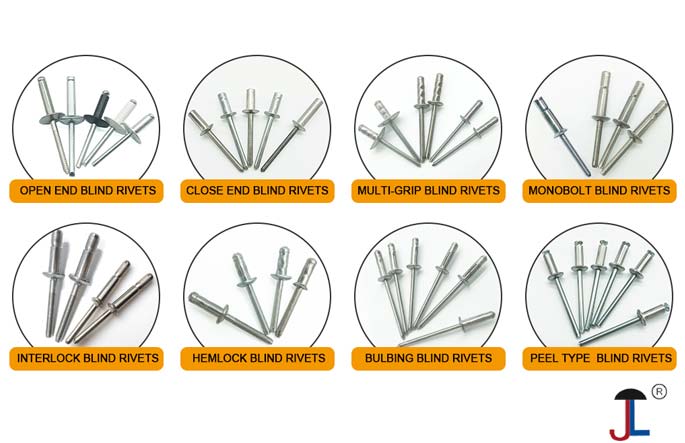
Blind rivets are categorized by their head type and special features, including: Standard (Open-End), Closed-End (Sealed), Multi-Grip (for varying material thicknesses), Peel (for soft materials), Grooved (for grip and vibration resistance), and Structural (for high-strength, critical applications). Other variations include Colored, Large Head, Countersunk Head, and specialized types like Monobolt and Tri-Grip.
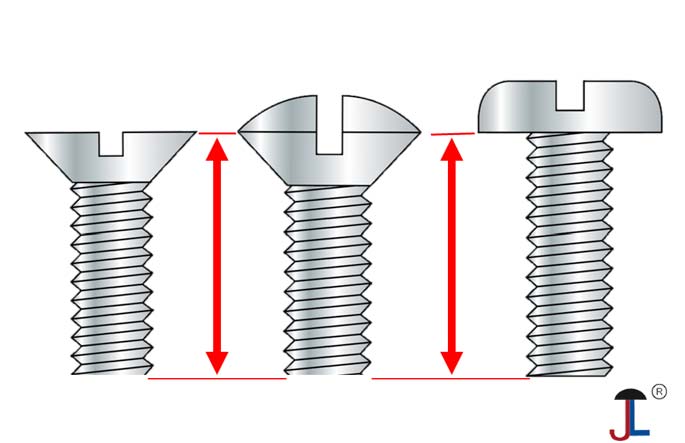
To measure screw length, use a ruler to measure from the point where the screw head would sit flush with a surface to the tip, which varies by head type. For countersunk screws (flat on top), measure from the flat top of the head to the tip. For most other screws (like pan head or round head), measure from the bottom of the head to the tip.
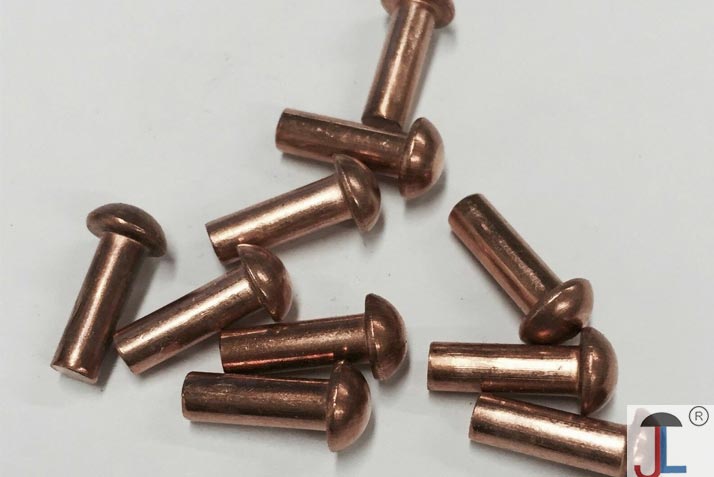
A copper snap head rivet is a solid rivet made of copper, featuring a rounded, "snap" or domed head and a solid post that joins materials through deforming its end over a special burr (washer). It consists of the copper post and the copper burr, which has a smaller hole than the post's diameter. The rivet is installed by inserting the post through pre-punched holes in the materials, placing the burr, trimming the excess post, and then hammering or "peening" the remaining post to mushroom out and create a strong, permanent mechanical joint.